
Top-Rated Products for Vent Pipe Replacements to Simplify Your Project
Choose from trusted vent pipe replacement options that make installation straightforward and ensure reliable venting performance.
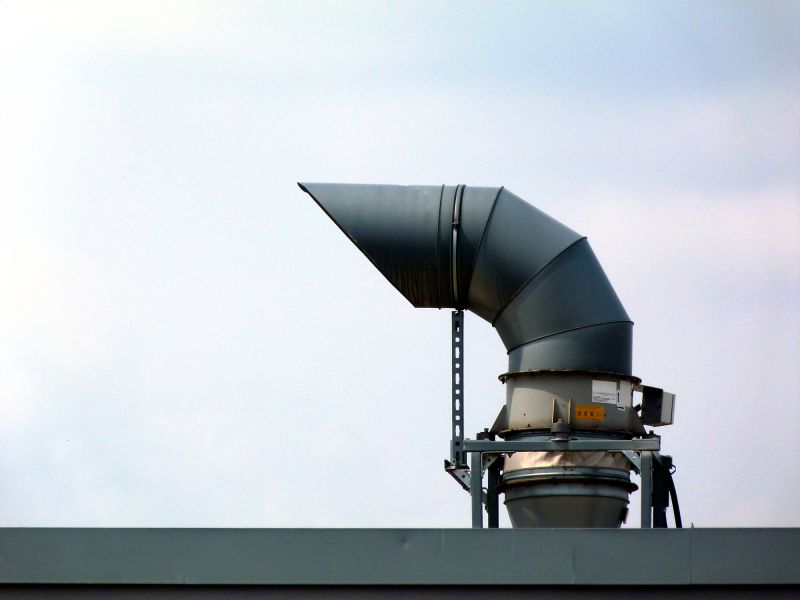 Replacing vent pipes is a common maintenance task that ensures proper ventilation and safety for plumbing and HVAC systems. Vent pipes allow gases and moisture to escape from plumbing fixtures and heating appliances, preventing dangerous buildup and maintaining indoor air quality. Over time, vent pipes can become damaged, clogged, or corroded due to exposure to the elements or general wear and tear, necessitating replacement. Selecting the right products for vent pipe replacements involves understanding various types, materials, and compatibility factors to ensure a secure and long-lasting installation.
Top Overall Option
Universal Vent Pipe Replacement Kit
A versatile and comprehensive kit designed to accommodate a wide range of vent pipe sizes and configurations. It includes various pipe sections, fittings, and sealing components, making it suitable for many residential and commercial applications. The kit's modular design allows for flexible installation, and its durable materials ensure longevity in different environmental conditions.
Types of Products For Vent Pipe Replacements
PVC Vent Pipes
Commonly used for plumbing vent systems due to their durability, ease of installation, and resistance to corrosion.
ABS Vent Pipes
A plastic alternative to PVC, known for its impact resistance and suitability for underground or exposed outdoor venting.
Metal Vent Pipes
Typically made from galvanized steel or aluminum, offering strength and heat resistance for high-temperature applications.
Flexible Vent Pipes
Made from flexible materials that allow for easy installation around obstacles and in tight spaces.
Double-Wall Vent Pipes
Designed with insulation between walls to prevent condensation and improve safety in venting systems.
Stormproof Vent Caps
Protects the vent opening from debris, pests, and weather elements while allowing airflow.
Flanged Vent Fittings
Used to connect vent pipes securely to other components or structures, providing a tight seal.
Adapter Fittings
Facilitate the connection between different pipe sizes or materials within venting systems.
Sealant and Pipe Cement
Ensures airtight and watertight connections between vent pipe components, preventing leaks.
Roof Vent Terminals
Designed to be installed on the roof, these terminals allow gases to escape safely while preventing entry of debris.
Storm Collar and Flashing
Provides a weatherproof seal around vent pipes where they penetrate the roof surface.
Rain Caps
Prevent rainwater from entering the vent pipe while allowing gases to vent freely.
Inline Vent Filters
Help reduce odors and block pests from entering the vent system without impeding airflow.
Popular Choices
Widely used for residential venting, these pipes are available in various diameters and lengths.
A popular choice for DIY projects, offering ease of installation and reliable performance.
Known for their strength and durability, suitable for both indoor and outdoor applications.
Ideal for complex installations where rigid pipes are difficult to maneuver.
Popular for preventing debris and pests while allowing gases to vent efficiently.
Favored for preventing condensation and maintaining safety in venting systems.
Commonly used to connect different pipe sections or transition between materials.
Essential for sealing pipe penetrations on the roof and preventing leaks.
Trending for reducing odors in venting systems without restricting airflow.
Popular for outdoor venting to keep rainwater out while allowing gases to escape.
When considering vent pipe replacements, it's important to evaluate the specific needs of your system, including pipe diameter, material compatibility, and the environment in which the pipes will be installed. Proper sealing and fitting are crucial to prevent leaks and ensure optimal airflow. Many replacement options are designed to fit standard plumbing configurations, but custom or specialized setups may require adaptable components or professional assistance. Proper installation not only enhances system efficiency but also helps in avoiding potential safety hazards caused by improper venting.
In addition to the pipes themselves, accessories such as fittings, connectors, and sealing compounds play vital roles in ensuring a secure and durable installation. Vent pipe replacements can vary from simple straight sections to complex multi-connection assemblies, depending on the plumbing layout. It's advisable to choose products that are easy to work with, durable under environmental conditions, and compliant with local building codes. Investing in quality components can lead to fewer maintenance issues and a safer, more reliable venting system over time.
Key Buying Considerations
- Determine the correct pipe diameter to match existing or planned system specifications.
- Select the appropriate material based on environmental exposure and compatibility with existing pipes.
- Ensure the product complies with local building codes and safety standards.
- Consider ease of installation, especially if undertaking a DIY project.
- Check for compatibility with fittings, connectors, and other components in your system.
- Assess the durability and resistance of materials to corrosion, UV exposure, and temperature fluctuations.
- Look for products with secure sealing options to prevent leaks and odors.
- Evaluate the length and flexibility of pipes for easier routing through your space.
- Choose vent caps or rain guards that provide weather protection without impeding airflow.
- Review manufacturer instructions and warranty information for reliability and support.
- Consider the overall system design, including the number of connections and potential future upgrades.
- Opt for components that facilitate easy maintenance and replacement if needed.
- Be mindful of the installation environment, such as indoor, outdoor, or roof-mounted setups.
- Determine if additional accessories like flashing, collars, or filters are necessary for your setup.
- Balance cost with quality to ensure a long-lasting and effective venting solution.
This content contains affiliate links. We may earn a commission if you purchase through these links, at no additional cost to you.